Advantages of SysML V2 - Now Available in No Magic Cameo & CATIA Magic 2026

Table of Contents
The systems engineering community is enamored with Systems Modeling Language (SysML) Version 2, and rightfully so. SysML V2 provides a host of benefits over SysML V1, but it can be difficult to capture the benefits in a way that people new to the subject can understand. This article captures the high-level benefits of SysML V2 without getting overly technical, allowing a fluid introduction into the topic.
SysML V2 Objectives
The main objective of SysML V2 is to increase the adoption rate and effectiveness of model-based systems engineering (MBSE). The new version of the language enhances the precision and expressiveness of the language, while also expanding interoperability with other engineering models and tools. This represents more than just an update; it marks a fundamental shift in how systems engineers develop and maintain models throughout their lifecycle. The increased expressiveness built into SysML V2 provides immediate value that addresses long-standing limitations in MBSE using SysML V1. The expanded interoperability supports the vision that systems models become a fully integrated part of the digital thread.
Key Elements of SysML V2
A Better Language for Describing Systems
SysML V2 provides a more precise and expressive language for systems engineering than SysML V1 through the use of a new metamodel: KerML. Unlike UML, KerML is a language independent of any discipline. This allowed for more freedom in creating SysML V2 as a more consistent, precise, and intuitive language. It follows a more specific “definition and usage” pattern, using common language that will enable faster onboarding for engineers and faster review by external stakeholders.
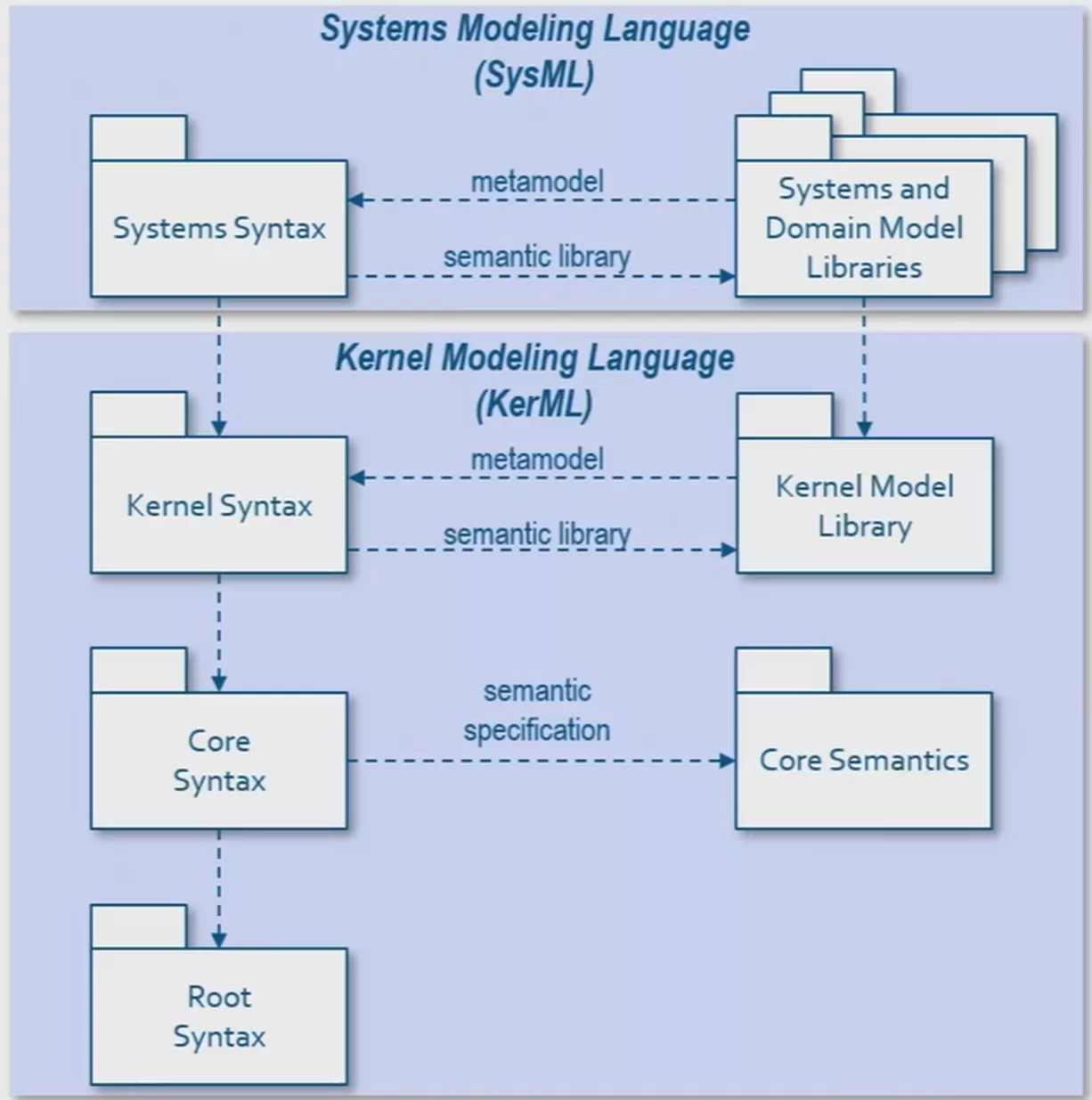
Additionally, behavior and structure are more tightly integrated, allowing for a more accurate blueprint when modeling. Although it is version 2, it is best to think of this as an entirely new language that will transform the way systems engineers model.
True Interoperability
Using the KerML metamodel, SysML V2 now introduces a standardized API. This is critical as it allows any other tool or software application to interface with the SysML V2 modeling tool. Analysis, geometry, visualization, and other tools will be able to pull data out, put data in, or modify data in the SysML V2 model repository. This is critical as companies strive for a true “digital thread” across their engineering lifecycle.
Enhanced Usability and Expressiveness
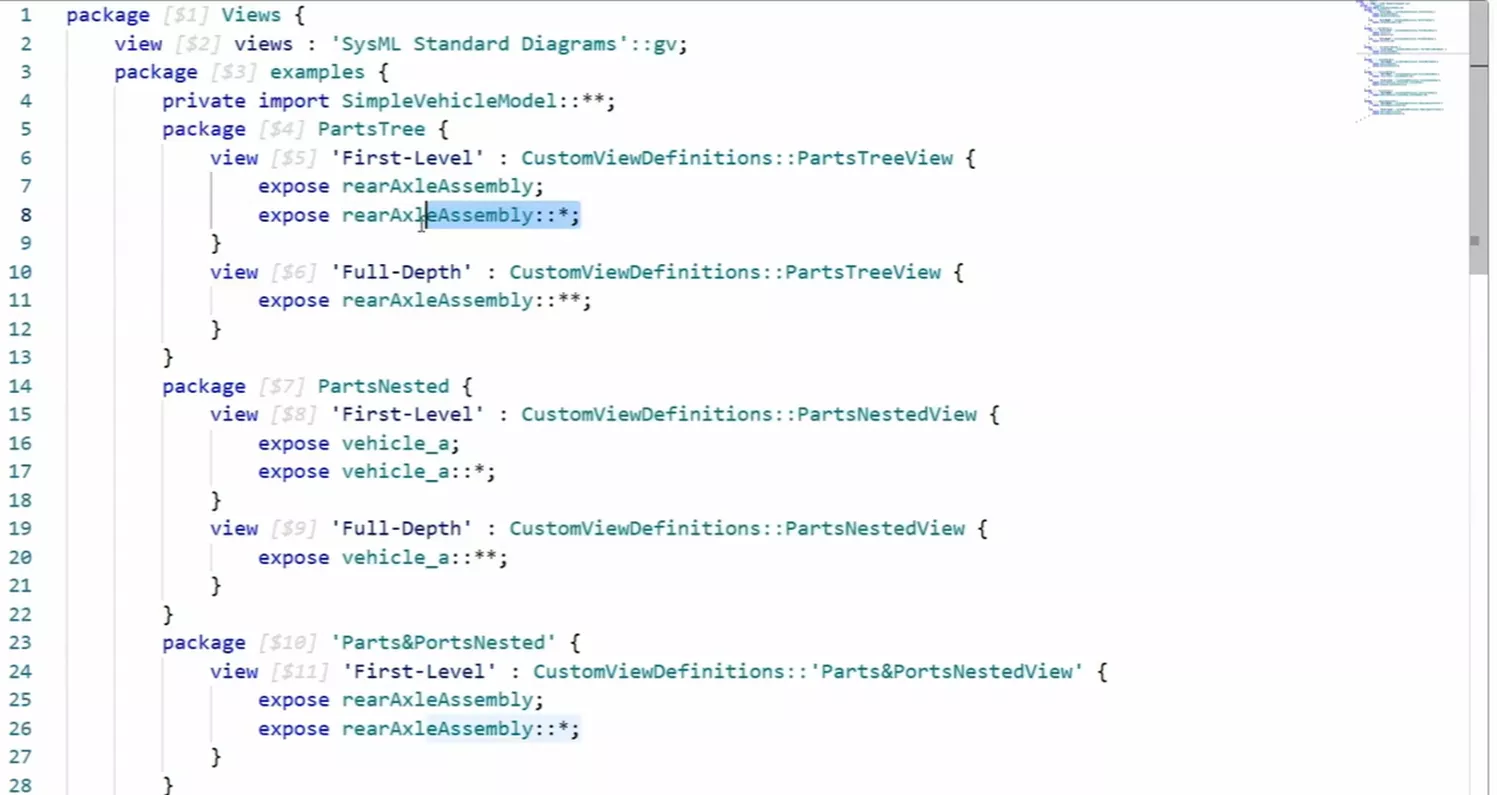
SysML V2 introduces textual notation as a new mechanism for using and expressing models. The new textual editor is simply a new way of rendering the same underlying model in the containment tree. This new textual editor will allow users who are familiar with coding to more easily understand SysML V2. In addition, the new “.sysml” data exchange allows for the importing and exporting of model data through textual notation. Model structure and behavior can easily be duplicated in other models using a simple copy and paste of the textual syntax.
Learn More in This Talk
The foundational purpose of model-based systems engineering is to accurately capture systems’ information in a single source of truth managed throughout the lifecycle of the system. SysML V2 provides the standardized framework needed to fully achieve this goal. By investing in SysML V2 integration, companies, stakeholders, and engineers can bring automation, productivity, and formal verification to new heights. The video below provides greater details on all the possibilities with SysML V2.
SysML V2 in No Magic Cameo & CATIA Magic
With the new 2026 release of No Magic Cameo & CATIA Magic, the following bundles of Dassault Systèmes’s MBSE products now support SysML V1 and SysML V2 for project modeling:
|
No Magic Cameo |
CATIA Magic No Magic MBSE portfolio for general industry |
| Cameo Enterprise Architecture Model operational missions of distributed systems |
Magic System of Systems Architect Model operational missions of distributed systems |
| Cameo Systems Modeler (Enterprise Edition) Model systems’ functional and structural architectures |
Magic Cyber-Systems Engineer Model systems’ functional and structural architectures |
Within the No Magic portfolio, Cameo Systems Modeler (Architect Edition) and MagicDraw with the SysML Plugin will not gain access to SysML V2 upon the upgrade to 2026x.
Additionally, the bundles that support SysML V2 will see a price increase of around 20% on January 1st, 2026. If you are looking to upgrade this quarter or are expecting growth soon, please contact us to discuss a path forward.
Related Articles
Benefits of Model-Based Systems Engineering (MBSE)
CATIA V5 to 3DEXPERIENCE CATIA: Tips for a Successful Transition
Import Requirements from 3DEXPERIENCE to CATIA Magic
6 Reasons Designers Upgrade to CATIA

About Jamar McDonald
Jamar McDonald is an Application Engineer and CATIA Specialist at GoEngineer.
Get our wide array of technical resources delivered right to your inbox.
Unsubscribe at any time.