The Industrial Clinic: Why 3D Printing Point-of-Care Is Shifting from Prototyping to Production in 2026

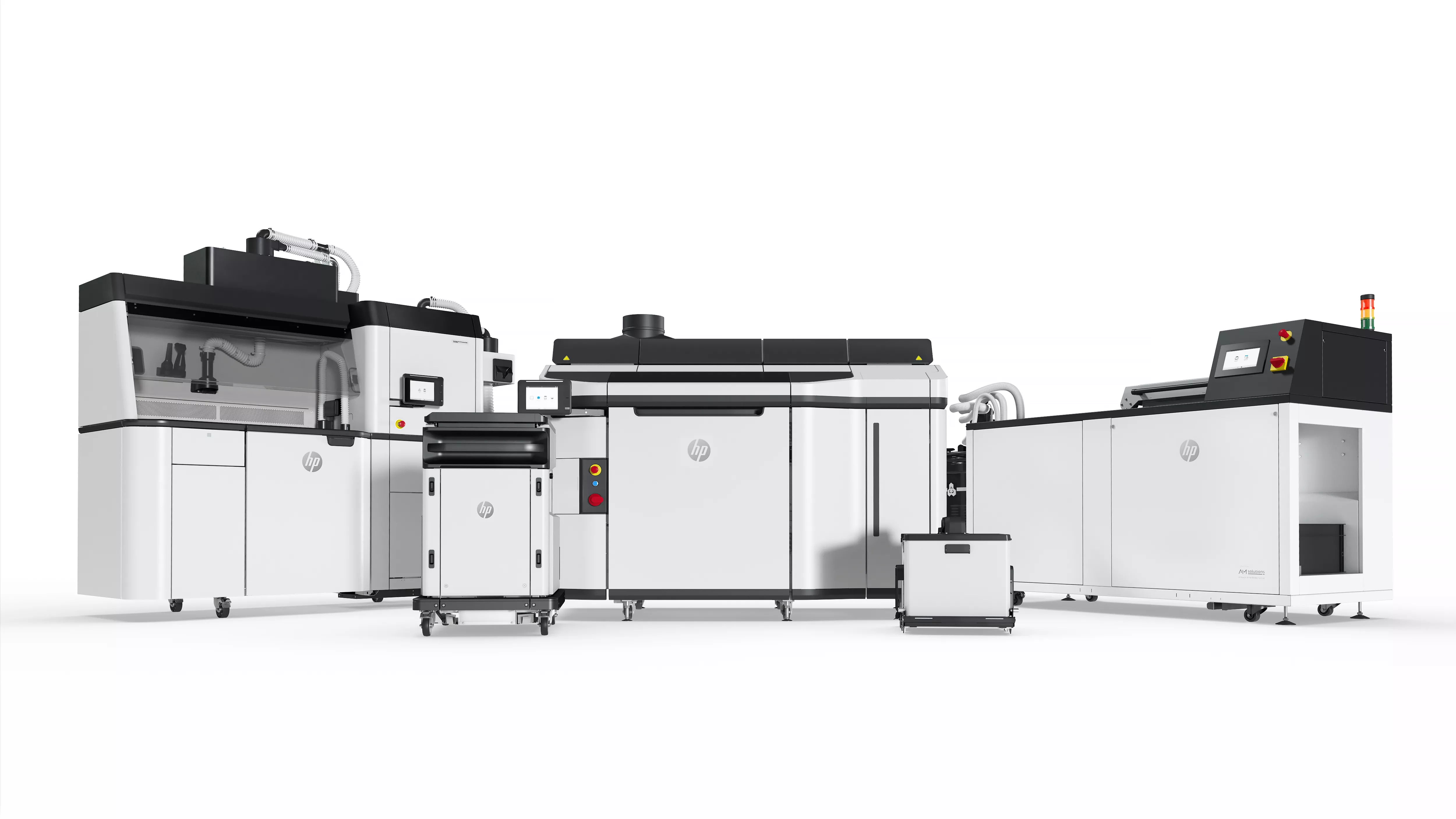
In 2026, the term “Industrial Clinic” is described as a fundamental shift in healthcare where hospitals and Orthotics & Prosthetics (O&P) facilities move 3D printing from prototyping and fit check to primary production. This transition is powered by HP Multi Jet Fusion (MJF) technology, enabling the on-site fabrication of final-use biocompatible medical devices that meet stringent clinical standards - without the lead times of traditional centralized fabrication.
The 2026 Shift: From Prototyping to Patient-Ready
For the better part of a decade, 3D printing in the medical sector was largely a tool for “visual aids.” Used by surgeons to hold a 3D model of a heart before a complex procedure and by O&P clinicians to create “check sockets” to test a fit before committing to expensive carbon fiber.
However, as we progress through 2026, the narrative has fundamentally changed. The demand for customized, lightweight, and skin-safe devices has advanced 3D printing into the primary production line. We are no longer printing models to look at; we are printing devices to wear.
This shift is centered on improving patient experience through radical customization and a significantly shortened production cycle. By producing final-use parts on-site, clinics are moving away from the traditional cycle of multiple adjustments and tedious fine-tuning, delivering a “first-time-right” fit that was previously unattainable.
To support this level of precision, clinicians are moving away from legacy filament-based methods and toward industrial-grade systems. This evolution is driven by the arrival of truly isotropic biocompatible materials and the necessity of automated workflows to solve the chronic labour shortages facing modern clinics.
End-to-End Workflow: The Power of the GoEngineer-Integrated Clinic
While HP provides the engine, GoEngineer provides the roadmap. In 2026, the most successful industrial clinics are those that move beyond “buying a printer” to “integrating a solution.” This is where GoEngineer’s expertise in the Canadian medical landscape becomes a critical asset.
We specialize in designing end-to-end workflows where HP MJF systems serve as the heart of a seamless production line. When a clinician approves a digital design for an Ankle-Foot Orthosis (AFO), our integrated systems ensure that data flows directly into a managed production queue with full clinical traceability.
The result is an automated “set-it-and-forget-it” tool that logs the material lot, print parameters, and cooling rates. This creates a digital twin of the patient’s device, ensuring that if a replacement is ever needed, it can be replicated with 100% fidelity at the touch of a button. Our team is equipped with the resources to ensure this isn’t just a technology purchase, but a successful clinical transition, providing the comprehensive setup, specialized training, and ongoing support required to turn digital designs into patient-ready outcomes.
Material Biocompatibility and “Final-Part” Quality
In the early days of 3D printing, FDM (Fused Deposition Modeling) was the go-to. It was accessible and familiar. However, as the O&P industry matured, the limitations of “layer-based” strength became a major liability. This led to the dominance of HP 3D HR PA 12 (Polyamide 12) in the medical sector. The lower cost of material, isotropy, and similar material properties to traditional nylon sheets made this material a great choice for medical applications.
The Magic of Isotropy
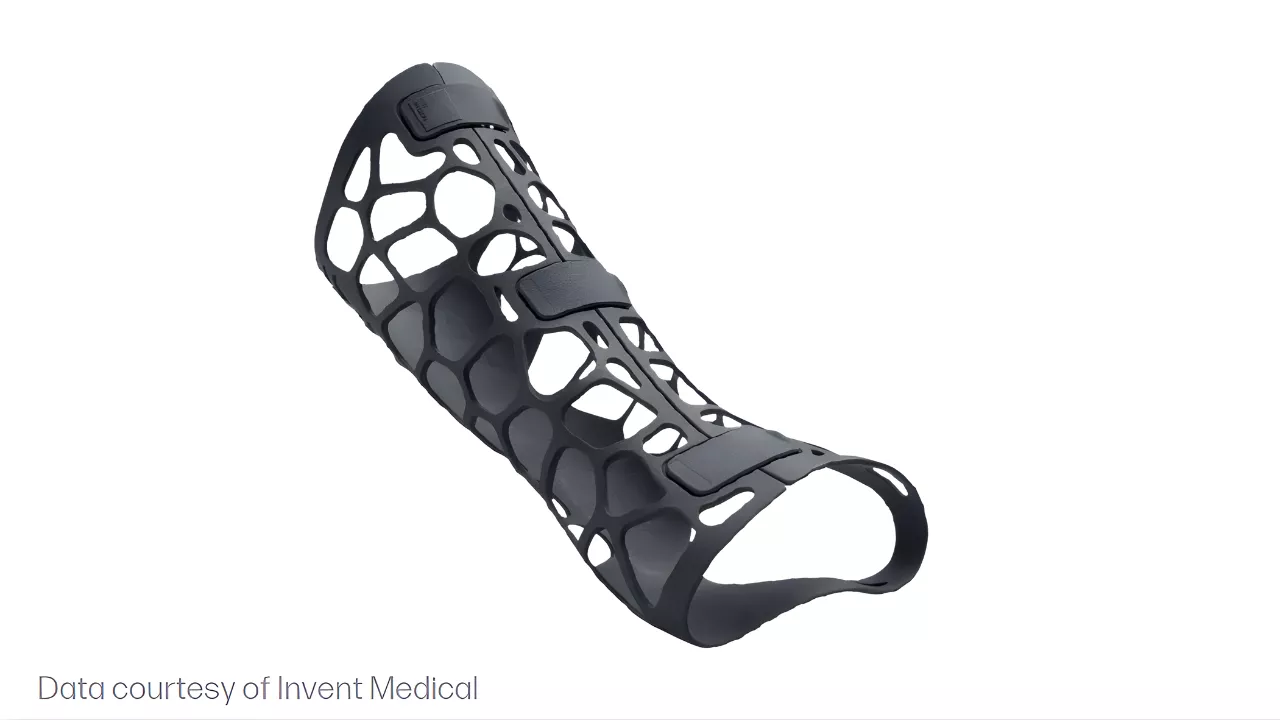
Traditional 3D printing is anisotropic, meaning the part is strong in the X and Y directions but weak along the Z-axis (between the layers). For an O&P device (like a prosthetic socket or an AFO), this is a dealbreaker. These devices undergo constant cyclic loading - thousands of steps a day, each applying torsion and stress. An anisotropic part is prone to delamination and cracking along the layer lines.
HP Multi Jet Fusion solves this through voxel-level thermal control. By applying a fusing agent and detailing agent across the powder bed, the material is fused into a solid, isotropic part.
| Property | HP 3D HR PA 12 (MJF) | Standard FDM (Nylon) |
| Strength Direction | Isotropic (Equal in all directions) | Anisotropic (Weak between layers) |
| Fatigue Resistance | High (100,000+ cycles) | Moderate to Low |
| Surface Finish | Smooth, Matte, Non-porous | Rigid, visible later lines |
| Internal Structure | Fully Solid: No infill, gaps, or internal voids | Often requires infill patterns/gaps |
| Fabrication Behaviour | Bahaves like traditional sheet fab; can be filed, sanded, or heat-torched | Prone to melting or peeling during post-modifications |
| Biocompatibility | USP CLass I-VI, FDA Skin Contact | Variable/Needs Coating |
Why HP 3D HR PA 12 is the O&P Gold Standard
In 2026, patient safety and comfort are non-negotiable. HP PA 12 has become the industry favourite for two reasons:
- Biocompatibility: It meets ISO 10993 and USP Class I-VI certifications for skin contact. This is critical for cranial helmets and AFOs that sit against a patient’s skin for 23 hours a day.
- Ductility and Resilience: PA 12 offers the perfect balance of stiffness and flexibility. It can be printed thin enough to be lightweight, yet it is resilient enough to absorb the energy of a patient’s gait without snapping.
From Manual Labour to Automated Post-Processing
The “hidden cost” of 3D printing has always been labour. In the past, for every hour of printing, you might spend two hours “weeding” supports, sanding surfaces, or cleaning powder. In 2026, the O&P industry realized that high-priced clinicians and technicians shouldn’t be spending their time digging parts out of powder.
Support Free
One of the greatest advantages of MJF is that it is a support-free process. Because these parts are held in place by the surrounding powder during the build, you can nest parts in 3D space, maximizing every inch of the build volume. This allows clinics to print dozens of unique, patient-specific devices in a single overnight run.
Automated Unpacking and Cleaning
The modern O&P lab now features the HP Automatic Unpacking Station. This system automates the cooling and excavation of parts, recycling up to 80% of the unused powder for the next build.
GoEngineer Pro Tip: Labour is your highest fixed cost. By automating the post-processing stage, O&P clinics are seeing a 30-40% reduction in cost-per-part, allowing them to compete with traditional fabrication houses while offering a 24-hour turnaround.
Use Cases
To understand why these trends matter, let’s look at two specific applications that have been revolutionized by MJF and PA 12.
Custom AFOs (Ankle Foot Orthoses)
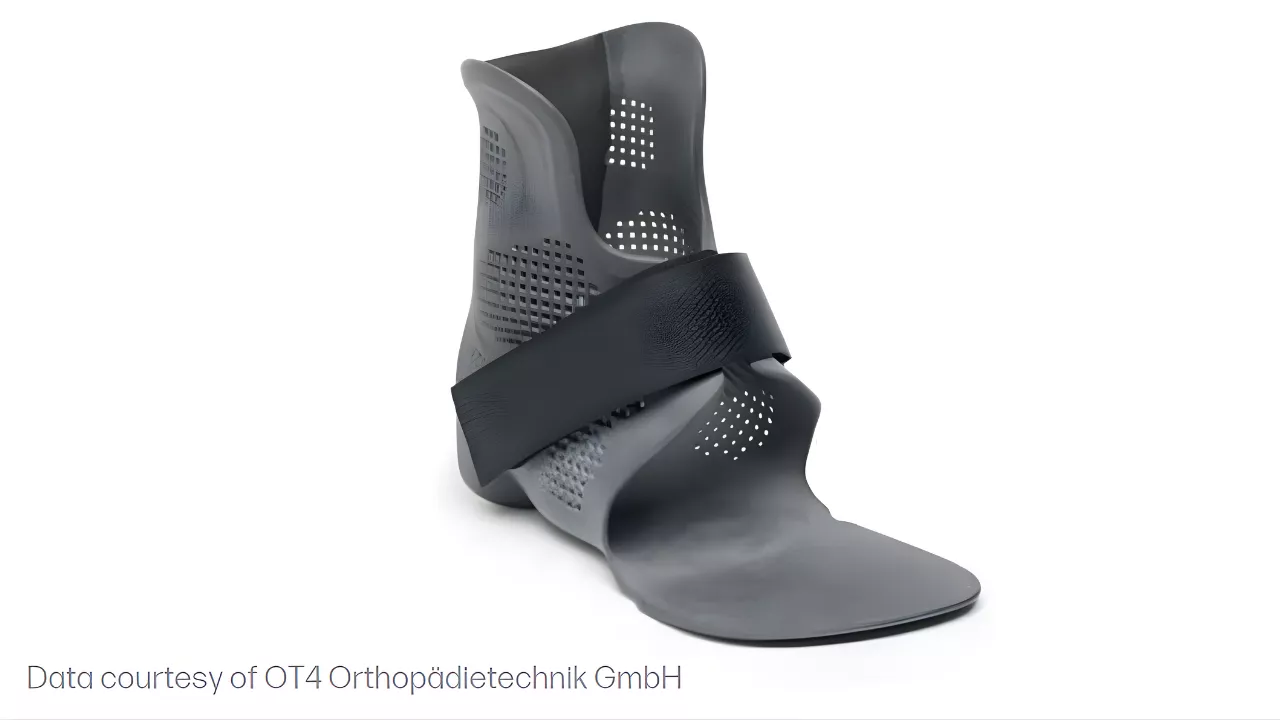
Traditional AFOs are bulky, hot, and often uncomfortable. With MJF, we can design “variable stiffness” into the device. We can make the heel area rigid for support while making the mid-foot area flexible to allow for a more natural “roll” during walking. Because PA 12 is isotropic, these thin, flexible sections won’t crack under the stress of daily use.
Cranial Remolding Helmets
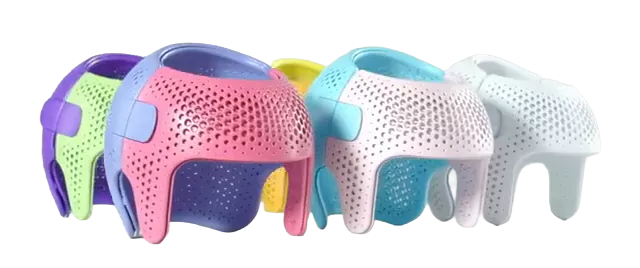
For infants with plagiocephaly, every gram of weight matters. 3D printed helmets are significantly lighter than their foam-and-plastic predecessors. By using a “lattice” structure (which is only possible with support-free printing like MJF), we can create breathable, airy designs that keep the infant’s head cool while providing the necessary corrective pressure.
The Business Case for 2026: ROI and Scalability
If you are evaluating your next capital investment, look at the math. In 2026, the O&P market is set to be more competitive than ever. Patients expect personalized, high-performance devices, and they want them fast.
Investing in an HP MJF solution isn’t just about buying a printer; it’s about buying a manufacturing system. The ability to print 50 unique patient parts in 12 hours with minimal manual intervention is what separates the profitable clinics from those struggling to keep up with traditional plaster-room backlogs.
Key ROI Drivers in 2026:
- Better Patient Outcomes: Higher compliance because the devices are lighter, more breathable, and perfectly contoured to the patient’s anatomy.
- Faster Turnaround: Go from scans to “fit-ready” device in less than 48 hours.
- Increased Productivity: Boost your output by printing a diverse combination of different patient-specific devices simultaneously in a single build
- Reduced Material Waste: With high reusability rates of PA 12 powder, your material costs stay predictable.
Is Your Clinic Ready for the Production Standard?
The move to 3D printing in 2026 isn’t just a trend; it’s the new standard of care. The days of “printing a prototype to see if it fits” are over. Today’s industrial clinics are using HP Multi Jet Fusion to deliver final, life-changing devices to patients in record time.
By embracing the EMR-to-OR pipeline, utilizing the safety of isotropic PA 12, and leveraging automated post-processing, O&P facilities are finally breaking free from the constraints of traditional manufacturing.
At GoEngineer, we specialize in helping clinics make this transition. From workflow audits to fleet implementation, our team is here to ensure your clinic isn’t just keeping up with 2026 but leading it. Contact us* today to get started.
*Only available in Canada.
About GoEngineer
GoEngineer delivers software, technology, and expertise that enable companies to unlock design innovation and deliver better products faster. With more than 40 years of experience and tens of thousands of customers in high tech, medical, machine design, energy and other industries, GoEngineer provides best-in-class design solutions from SOLIDWORKS CAD, Stratasys 3D printing, Creaform & Artec 3D scanning, CAMWorks, PLM, and more
Get our wide array of technical resources delivered right to your inbox.
Unsubscribe at any time.