2026 Canadian Manufacturing Outlook: Quality Inspection, SR&ED, and 3D Scanning

Table of Contents
Key Take-Away
In 2026, Canadian manufacturers face tighter margins, higher quality expectations, and ongoing labour shortages, but also a rare opportunity. Quality inspection is becoming a competitive advantage, not just a compliance function, and recent changes to the SR&ED program mean advanced inspection and metrology investments may now qualify for significant government support. Manufacturers that modernize their inspection processes with digital workflows and 3D scanning will be better positioned to reduce risk, move faster, and protect their margins.
Why Inspection Matters More in 2026
Quality inspection is no longer a back-end cost. In 2026, it’s a strategic infrastructure.
Manufacturers that can inspect faster, capture complete data, and act on that information in real time are better equipped to:
- Meet rising OEM and regulatory expectations
- Reduce scrap, rework, and late shipments
- Operate with leaner, less specialized teams
- Make confident decisions under economic pressure
This is why quality inspection, particularly 3D scanning-based inspection, is becoming a priority across Canadian manufacturing.
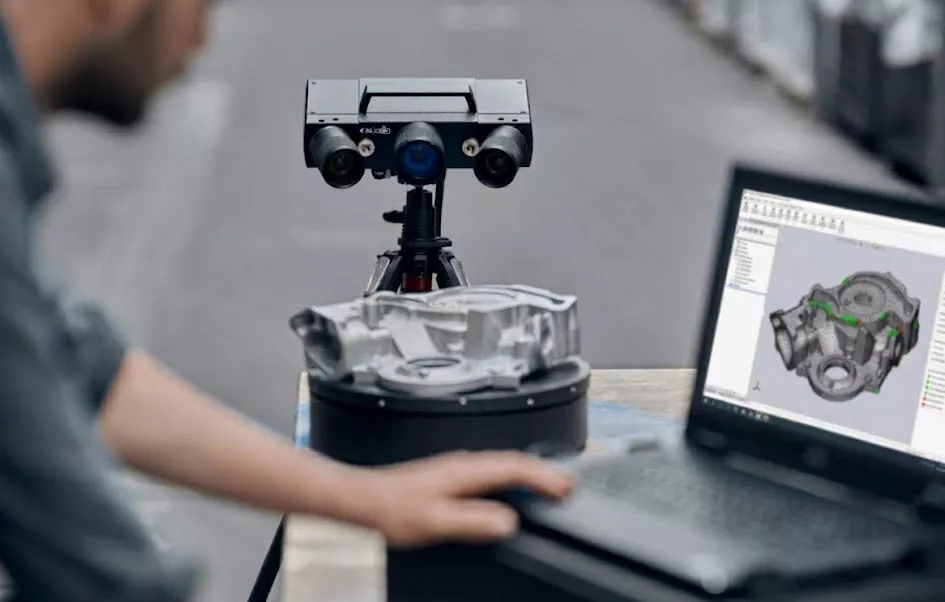
Figure 1: The ZEISS ATOS Q 3D scanner uses blue light triple scan technology.
Pressures Facing Canadian Manufacturers
The reality on Canadian shop floors today is that the “old way” of doing things is hitting a wall. We’re seeing a consistent set of pressure: production volumes are climbing, but a persistent shortage of skilling metrology talent makes it nearly impossible for traditional inspection to keep pace. When you add in tightening OEM tolerances and the rising cost of scrap and rework, point-based inspection often becomes a bottleneck rather than a safeguard. Without a digital thread connecting design and manufacturing, quality data ends up in a silo, leaving teams to react to problems after they’ve already hit the bottom line.
SR&ED Changes that Shift the ROI Equation
2026 is a turning point for inspection investment in Canada.
For years, Canadian manufacturers viewed the Scientific Research and Experimental Development (SR&ED) program as a “labour-only” credit. That changed with the 2025 reforms. As we move through 2026, the program has reached a new level of maturity that directly rewards investments in advanced metrology.
What’s New for 2026
While capital equipment became eligible for property acquired after December 15, 2024, April 1, 2026 marks the launch of the Elective Pre-claim Approval process. This allows manufacturers to get technical certainty on their R&D projects before they spend, with a fast-tracked 90-day review.
Key Program Figures:
- Increased Expenditure Limit: The cap for the enhanced 35% refundable credit has been raised to $6 million (up from $3 million).
- Capital Hardware Reinstated: Hardware used 90% or more for eligible R&D now qualifies for the credit.
- Expanded Eligibility (ECPCs): For the first time, Eligible Canadian Public Corporations (ECPCs) — not just private CCPCs — can now access the 35% refundable rate.
- Modernized Phase-outs: The “grind” where credits diminish now starts at $15 million in taxable capital (up from $10M), allowing mid-sized firms to stay eligible longer as they scale.
Why this Matters for 3D Scanning
In 2026, inspection is no longer just “checking parts”; it’s a core component of the R&D cycle. Modern 3D scanning and metrology systems qualify when used for:
- Experimental Process Validation: Proving out new manufacturing methods or materials.
- Iterative Prototype Development: Rapidly validating and adjusting complex geometries.
- First-Article Inspection (FAI): Proving that a new production line meets high-precision tolerances.
By leveraging the new Pre-claim Approval, manufacturers can now invest in high-end 3D scanning hardware with the financial confidence that a significant portion of the cost will be offset by the 35% tax credit.
How 3D Scanning Fits Modern Inspection Needs
3D scanning enables faster, more complete inspection with fewer dependencies.
Unlike traditional point-based measurement, 3D scanners (like those from ZEISS) can capture full-surface data in a single workflow.
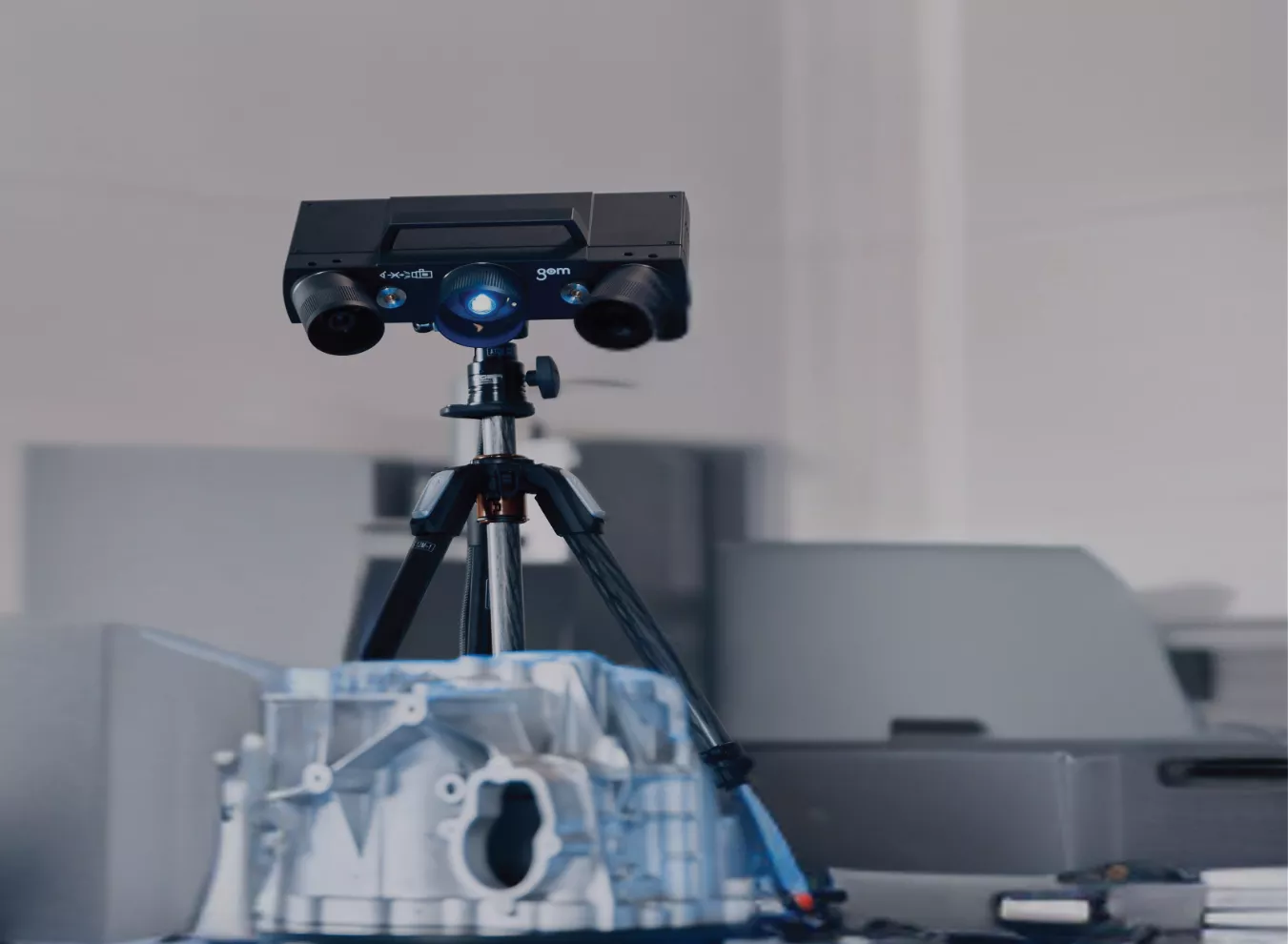
Figure 2: ZEISS ATOS Q 3D scanners offer exceptional accuracy and adaptability.
For Canadian manufacturers, this translates to:
Faster inspection without sacrificing accuracy
Complex parts can be inspected in minutes rather than hours, reducing bottlenecks and keeping production moving.
Easier adoption in a tight labour market
Hands-on 3D scanning systems are designed to be more intuitive, reducing training time and reliance on highly specialized inspectors.
Better documentation and traceability
Digital inspection results can be automatically compared to CAD and stored for audits and compliance.
Stronger feedback loops
Inspection data can be fed back into CAD and simulation tools, supporting closed-loop manufacturing and continuous improvement.
For many teams, the biggest gain isn’t just accuracy, it’s confidence and speed.
Where Canadian Manufacturers Are Seeing the Most Impact
3D scanning and digital inspection workflows are delivering the most value in:
- Aerospace & Defense – First-article inspection, MSA, audit readiness
- Automotive & EV supply chains – High-volume, high-precision inspection
- Industrial equipment manufacturing – Large or complex assemblies
- Advanced manufacturing & R&D – Rapid iteration and validation
In many cases, manufacturers start with a single inspection challenge and expand once productivity gains are clear.
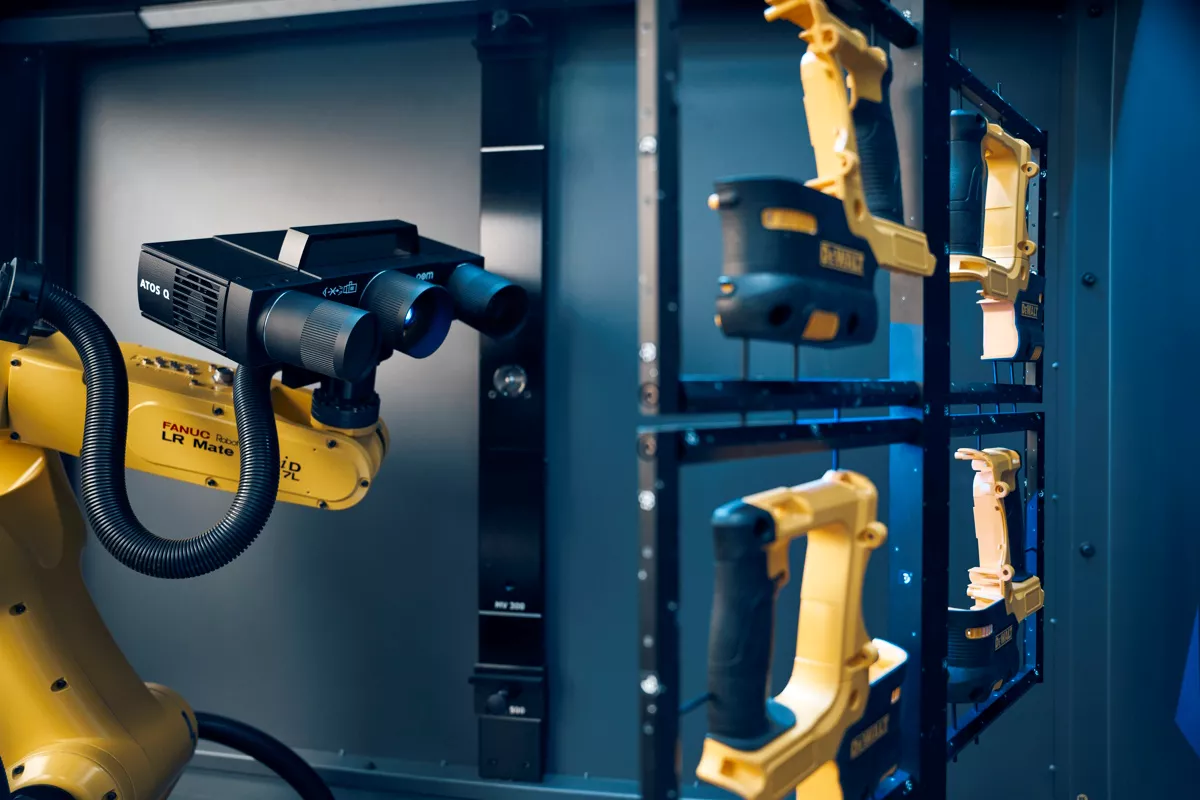
Figure 3: ZEISS ATOS Q 3D scanners are optimized for complex geometries, precision inspection, and automated measurement systems.
Inspection as Part of the Digital Thread
In 2026, the most successful manufacturers aren’t looking at inspection as an isolated “pass/fail” island. Instead, they’re treating inspection data as a critical part of the digital thread. By connecting 3D scanning results directly back to CAD systems like SOLIDWORKS and upstream simulation tools, quality data becomes a feedback loop rather than a dead end. This bidirectional flow allows you to catch drift in your machining processes earlier and validate simulation models with real-world data. When your inspection results inform decisions upstream, you aren’t just validating parts; you’re optimizing your entire production process.
What this Means for 2026 Planning
The convergence of economic pressure and SR&ED reform makes 2026 a pivotal year.
Inspection modernization is no longer about buying better tools. It’s about:
- Reducing operational risk
- Protecting margins
- Scaling quality with limited labour
- Leveraging government incentives strategically
Manufacturers that treat inspection as infrastructure (not overhead) are better positioned to compete in an increasingly demanding market.
Ready to Evaluate Your Inspection Strategy?
If you’re looking to modernize your shop in 2026, contact us. We’ll help you identify bottlenecks, define the digital thread bridging your scan data and CAD models, and show you how to generate the high-level validation reports that make R&D claims easier to document. We’ll handle the technology and the training, and if you need a hand navigating the SR&ED landscape, we can certainly point you toward experts who specialize in that.
About GoEngineer
GoEngineer delivers software, technology, and expertise that enable companies to unlock design innovation and deliver better products faster. With more than 40 years of experience and tens of thousands of customers in high tech, medical, machine design, energy and other industries, GoEngineer provides best-in-class design solutions from SOLIDWORKS CAD, Stratasys 3D printing, Creaform & Artec 3D scanning, CAMWorks, PLM, and more
Get our wide array of technical resources delivered right to your inbox.
Unsubscribe at any time.